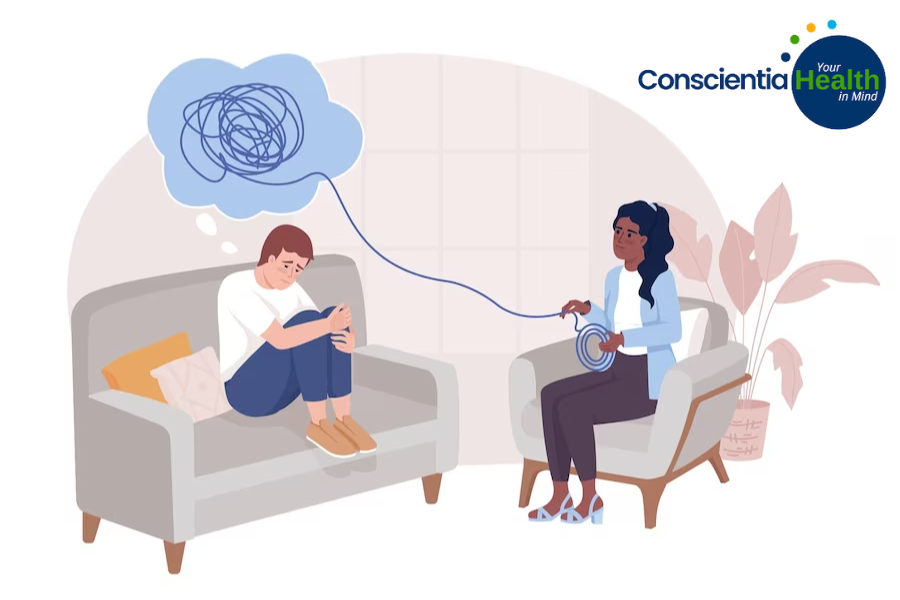
Anxiety

Introduction

Finding the best anxiety treatment can be a challenging journey, but with the right information and guidance, it is entirely possible. At Conscientia Health, we are dedicated to helping individuals navigate their mental health challenges by offering comprehensive and personalized care. In this blog post, we’ll explore various aspects of anxiety treatment, including understanding anxiety, professional help, treatment options, self-help strategies, and more. By the end, you’ll have a clearer understanding of how to find the best anxiety treatment and why Conscientia Health is the right choice for you.

Understanding Anxiety

Anxiety is a normal response to stress or danger and can be beneficial in some situations. However, when anxiety becomes excessive or persistent, it may interfere with daily life and lead to an anxiety disorder. Anxiety disorders are among the most common mental health conditions, affecting millions of people worldwide.

Types of Anxiety Disorders

Type of Anxiety Disorder Description
Generalized Anxiety Disorder Chronic and excessive worry about various aspects of life
Panic Disorder Recurrent panic attacks and fear of having more attacks
Social Anxiety Disorder Intense fear of social situations and being judged
Specific Phobias Excessive fear of specific objects or situations
Obsessive-Compulsive Disorder Intrusive thoughts and repetitive behaviors
Post-Traumatic Stress Disorder Develops after experiencing a traumatic event

Symptoms and Signs of Anxiety

Common symptoms of anxiety include:

  • Excessive worry or fear
  • Restlessness or feeling on edge
  • Irritability
  • Difficulty concentrating
  • Muscle tension
  • Sleep disturbances

Causes and Risk Factors

Anxiety disorders can be caused by a combination of genetic, environmental, and psychological factors. Common risk factors include:

  • Family history of anxiety disorders
  • Trauma or stressful life events
  • Chronic medical conditions
  • Substance abuse

Professional Help

Importance of Seeking Professional Help

Seeking professional help is crucial for effectively managing anxiety. Mental health professionals can provide the necessary support and treatment to help individuals regain control of their lives.

Types of Mental Health Professionals

  • Psychiatrists: Medical doctors who specialize in diagnosing and treating mental health conditions, including prescribing medication.
  • Psychologists: Trained to provide psychotherapy and conduct psychological assessments.
  • Licensed Counselors: Provide counseling and therapy to help individuals cope with anxiety.
  • Social Workers: Offer support and resources to help individuals manage their anxiety.

Finding the Right Therapist

Finding the right therapist can make a significant difference in the effectiveness of treatment. Here are some steps to help you find the right therapist:

  • How to Search for a Therapist: Use online directories, referrals from healthcare providers, or recommendations from friends and family.
  • Questions to Ask a Potential Therapist: Inquire about their experience with treating anxiety, their therapeutic approach, and their qualifications.
  • Importance of Therapist-Patient Fit: A strong therapeutic relationship is essential for successful treatment. Ensure that you feel comfortable and understood by your therapist.

Treatment Options

Psychotherapy

Psychotherapy, also known as talk therapy, is a common and effective treatment for anxiety. Different therapeutic approaches can be used depending on the individual’s needs.

  • Cognitive Behavioral Therapy (CBT): Focuses on changing negative thought patterns and behaviors that contribute to anxiety.
  • Exposure Therapy: Helps individuals gradually face and overcome their fears.
  • Acceptance and Commitment Therapy (ACT): Encourages individuals to accept their anxiety and commit to actions that align with their values.
  • Dialectical Behavior Therapy (DBT): Combines cognitive-behavioral techniques with mindfulness practices to help manage anxiety.

Medication

Medication can be an important component of anxiety treatment, especially for individuals with severe symptoms.

  • Antidepressants (SSRIs, SNRIs): Often used to treat anxiety by balancing brain chemicals.
  • Benzodiazepines: Provide quick relief from anxiety symptoms but are generally used for short-term treatment due to the risk of dependency.
  • Beta-Blockers: Help manage physical symptoms of anxiety, such as rapid heartbeat.
  • Other Medications: Depending on the individual’s needs, other medications may be prescribed.

Complementary and Alternative Treatments

In addition to traditional treatments, complementary and alternative therapies can be beneficial for managing anxiety.

  • Herbal Supplements: Some supplements, like valerian root and kava, may help reduce anxiety symptoms.
  • Acupuncture: An ancient Chinese practice that can help alleviate anxiety by balancing the body’s energy.
  • Yoga and Meditation: These practices promote relaxation and mindfulness, reducing anxiety.
  • Mindfulness-Based Stress Reduction (MBSR): A structured program that incorporates mindfulness to help manage stress and anxiety.

Self-Help Strategies

Lifestyle Changes

Making certain lifestyle changes can significantly impact anxiety levels.

  • Diet and Nutrition: Eating a balanced diet and avoiding caffeine and alcohol can help manage anxiety.
  • Exercise: Regular physical activity releases endorphins, which can improve mood and reduce anxiety.
  • Sleep Hygiene: Establishing a regular sleep routine and creating a restful environment can improve sleep quality and reduce anxiety.

Stress Management Techniques

Effective stress management techniques can help individuals cope with anxiety more effectively.

  • Mindfulness and Meditation: Practices that focus on being present in the moment can reduce anxiety.
  • Deep Breathing Exercises: Simple breathing techniques can help calm the mind and reduce physical symptoms of anxiety.
  • Progressive Muscle Relaxation (PMR): Involves tensing and then relaxing different muscle groups to reduce tension and anxiety.

Building a Support System

Having a strong support system is crucial for managing anxiety.

  • Family and Friends: Loved ones can provide emotional support and encouragement.
  • Support Groups: Joining a support group can help individuals connect with others who understand their experiences.
  • Online Communities: Online forums and social media groups can offer additional support and resources.

Get The Best Anxiety Treatment

Personalized Treatment Plan

Importance of Personalized Treatment

Every individual’s experience with anxiety is unique, and a personalized treatment plan is essential for effective management.

Steps to Create a Personalized Treatment Plan

  • Initial Assessment: A comprehensive evaluation to understand the individual’s specific needs and challenges.
  • Setting Treatment Goals: Defining clear and achievable goals for treatment.
  • Choosing the Right Therapies: Selecting the most appropriate therapies based on the individual’s needs.
  • Regular Monitoring and Adjustment: Continuously evaluating the effectiveness of the treatment plan and making necessary adjustments.

Evaluating Treatment Effectiveness

Criteria for Evaluating Treatment

The effectiveness of treatment can be evaluated based on symptom reduction, improved functioning, and overall well-being.

Tracking Progress

  • Journaling: Keeping a journal to track symptoms and progress.
  • Regular Check-Ins with Therapist: Regularly discussing progress with a therapist to ensure treatment is on track.

Adjusting Treatment Plans

If a treatment plan is not effective, it may need to be adjusted. This can involve trying different therapies, adjusting medication, or changing therapeutic approaches.

Barriers to Treatment

Common Barriers

There are several common barriers that individuals may face when seeking anxiety treatment.

  • Stigma: The stigma surrounding mental health can prevent individuals from seeking help.
  • Financial Constraints: The cost of treatment can be a significant barrier for many people.
  • Lack of Access to Care: Limited availability of mental health services can make it difficult to access treatment.

Overcoming Barriers

  • Reducing Stigma: Increasing awareness and education about mental health can help reduce stigma.
  • Finding Affordable Care: Looking for low-cost or sliding-scale therapy options can make treatment more accessible.
  • Utilizing Teletherapy and Online Resources: Teletherapy and online resources can provide convenient and accessible treatment options.

Long-Term Management and Relapse Prevention

Strategies for Long-Term Management

Long-term management strategies are essential for maintaining progress and preventing relapse.

  • Recognizing and Preventing Relapse: Identifying triggers and early warning signs can help prevent relapse.
  • Developing Resilience and Coping Skills: Building resilience and developing healthy coping mechanisms are crucial for long-term management.
  • Continuing Education and Staying Informed: Staying informed about new treatment options and continuing to learn about anxiety can help individuals stay proactive in their management.

Why Choose Conscientia Health for Anxiety Treatment?

Choosing the right healthcare provider for anxiety treatment is crucial to achieving the best possible outcomes. At Conscientia Health, we pride ourselves on our holistic approach to mental health care, combining evidence-based treatments with personalized care plans. Here’s why you should consider Conscientia Health:

  • Expert Team of Professionals: Our team consists of highly qualified psychiatrists, psychologists, licensed counselors, and social workers with extensive experience in treating anxiety disorders. We ensure that our patients receive the highest standard of care.
  • Comprehensive Assessment: We begin with a thorough assessment to understand the specific needs and challenges of each patient. This allows us to create a tailored treatment plan that addresses the root causes of anxiety.
  • Personalized Treatment Plans: At Conscientia Health, we recognize that each person’s experience with anxiety is unique. Our treatment plans are customized to meet the individual needs of our patients, ensuring the most effective outcomes.
  • Integrated Approach: We offer a wide range of treatments, including psychotherapy, medication management, and complementary therapies. Our integrated approach ensures that all aspects of a patient’s mental health are addressed.
  • Supportive Environment: Our facilities provide a safe and supportive environment where patients can focus on their recovery. We foster a community of care, ensuring that our patients feel understood and supported throughout their treatment journey.

Resources

Books and Reading Materials

Reading materials can provide valuable information and support for managing anxiety.

Websites and Online Tools

Online tools and websites can offer additional resources and support.

Hotlines and Emergency Contacts

Having access to hotlines and emergency contacts can provide immediate help in times of crisis.

Local and National Organizations

Local and national organizations can offer resources, support groups, and additional information.

Conclusion

Finding the best anxiety treatment requires a comprehensive approach that addresses all aspects of an individual’s mental health. At Conscientia Health, we are committed to providing personalized and effective treatment plans to help our patients manage their anxiety and lead fulfilling lives. If you or someone you know is struggling with anxiety, don’t hesitate to reach out to us for support and guidance.

Introduction Finding the best anxiety treatment can be a challenging journey, but with the right information and guidance, it is entirely possible. At Conscientia Health, we are dedicated to helping individuals navigate their mental health challenges by offering comprehensive and personalized care. In this blog post, we’ll explore various aspects of anxiety treatment, including understanding […]

title

Introduction Finding the best anxiety treatment can be a challenging journey, but with the right information and guidance, it is entirely possible. At Conscientia Health, we are dedicated to helping individuals navigate their mental health challenges by offering comprehensive and personalized care. In this blog post, we’ll explore various aspects of anxiety treatment, including understanding […]

Introduction

Introduction Finding the best anxiety treatment can be a challenging journey, but with the right information and guidance, it is entirely possible. At Conscientia Health, we are dedicated to helping individuals navigate their mental health challenges by offering comprehensive and personalized care. In this blog post, we’ll explore various aspects of anxiety treatment, including understanding […]

Anxiety is a complex emotional state that affects millions of people worldwide. It manifests in various ways and can have a significant impact on mental health. In this article, I will explore the different stages of anxiety in 2024, the common symptoms, and the various treatment options available. Whether you are personally dealing with anxiety or know someone who is, this article aims to provide a comprehensive understanding of this condition.

What is anxiety?

Anxiety is a natural response to stress or perceived threats. It is a feeling of unease, worry, or fear that can be experienced on a psychological and physical level. While it is normal to feel anxious from time to time, anxiety becomes a problem when it starts to interfere with daily life and functioning. It can range from mild to severe and can be triggered by specific situations or be present throughout the day.

Common symptoms of anxiety

Anxiety can manifest in a variety of symptoms, both physical and psychological. Some common physical symptoms include increased heart rate, rapid breathing, sweating, trembling, and gastrointestinal issues. On the psychological side, anxiety can lead to excessive worrying, irritability, restlessness, difficulty concentrating, and sleep disturbances. These symptoms can vary from person to person and may occur in different combinations. It is important to note that individuals may experience anxiety differently, and not everyone will have the same symptoms.

Different types of anxiety disorders

Anxiety disorders are a group of mental health conditions characterized by excessive and persistent anxiety. There are several types of anxiety disorders, including generalized anxiety disorder (GAD), panic disorder, social anxiety disorder, and specific phobias. Generalized anxiety disorder involves excessive worrying about various aspects of life, while panic disorder is characterized by recurrent panic attacks. Social anxiety disorder is the fear of social situations, and specific phobias involve intense fear of a specific object or situation. Each type of anxiety disorder has its own set of symptoms and treatment approaches.

The impact of anxiety on mental health

Anxiety can have a profound impact on mental health, affecting various aspects of a person’s life. It can lead to reduced quality of life, impaired functioning at work or school, strained relationships, and an increased risk of developing other mental health conditions such as depression. Anxiety can also contribute to physical health problems, including cardiovascular issues, gastrointestinal disorders, and weakened immune systems. Recognizing the impact of anxiety on mental health is crucial to seek appropriate treatment and innovative solutions.

The stages of anxiety in 2024

Stage Description
Recognition and Awareness Anxiety begins with occasional episodes triggered by stressors like work pressure or societal challenges. Recognizing these initial feelings is crucial for effective management.
Escalation and Intensification Anxiety escalates with physical symptoms like increased heart rate and sweating. In 2024, social and economic uncertainties intensify anxiety, fueled by constant information overload.
Cognitive and Emotional Impact Anxiety affects cognitive functioning and emotional well-being, leading to difficulty concentrating and heightened emotional reactivity. Digital communication exacerbates feelings of loneliness.
Behavioral Changes Anxiety prompts avoidance behaviors, such as excessive technology use or avoiding social gatherings. Remote work and virtual interactions may provide temporary relief but hinder long-term coping.
Chronicity and Maintenance Untreated anxiety becomes chronic, impairing daily functioning. Despite medication, holistic approaches like therapy and mindfulness are vital for long-term management in 2024.
Recovery and Resilience Anxiety recovery involves cultivating resilience and coping strategies. Growing mental health awareness fosters a supportive environment for seeking help and support in 2024.
Preventive Measures Proactive measures include healthy coping mechanisms like exercise and mindfulness. Setting boundaries with technology and social media helps reduce information overload in daily life.

Anxiety treatment options

Fortunately, there are various treatment options available for individuals struggling with anxiety. The choice of treatment depends on the severity of symptoms and individual preferences. Some common treatment approaches include therapy, medication, self-help techniques, and seeking professional help.

Therapy for Anxiety

Therapy, such as cognitive-behavioral therapy (CBT), is often recommended as a first-line treatment for anxiety. CBT focuses on identifying and challenging irrational thoughts and beliefs that contribute to anxiety. It also teaches individuals coping skills and relaxation techniques to manage anxiety symptoms. Other types of therapy, such as exposure therapy and mindfulness-based therapies, may also be effective in treating anxiety.

Medications for anxiety

In some cases, medication may be prescribed to alleviate anxiety symptoms. Antidepressants and anti-anxiety medications are commonly used to treat anxiety disorders. These medications work by balancing neurotransmitters in the brain and reducing excessive anxiety. It is important to note that medication should be used in conjunction with therapy and under the guidance of a healthcare professional.

Understanding the Stages of Anxiety 2024

Self-help techniques for managing anxiety

Self-help techniques can be valuable tools in managing anxiety. These techniques include lifestyle changes, such as regular exercise, healthy eating, and sufficient sleep. Stress management techniques, such as deep breathing exercises, meditation, and journaling, can also help reduce anxiety. Additionally, engaging in activities that bring joy and relaxation, such as hobbies or spending time in nature, can contribute to overall well-being and anxiety reduction.

Seeking professional help for anxiety

If anxiety symptoms persist or worsen despite self-help techniques, it is important to seek professional help. Mental health professionals, such as psychologists and psychiatrists, can provide a comprehensive assessment and develop an individualized treatment plan. They may recommend therapy, medication, or a combination of both, depending on the severity of symptoms. Professional help can provide valuable support and guidance in managing anxiety effectively.

The future of anxiety treatment

As we move into the future, advancements in technology and research hold promise for improving anxiety treatment. Virtual reality therapy, smartphone applications for self-help, and personalized treatment plans based on genetic factors are some potential innovations. Additionally, destigmatization efforts and increased awareness of mental health are essential for ensuring that individuals with anxiety receive the support they need.

Conclusion

Anxiety is a complex condition that can have a significant impact on mental health. Understanding the stages of anxiety in 2024, the common symptoms and the available treatment options is crucial in effectively managing this condition. Whether through therapy, medication, self-help techniques, or seeking professional help, there are numerous resources available to support individuals dealing with anxiety. By recognizing the importance of mental health and seeking appropriate treatment, individuals can regain control, improve their well-being, and lead fulfilling lives.

If you or someone you know is struggling with anxiety, don’t hesitate to seek help. Reach out to a Conscientia Health professional who can provide guidance and support on your journey towards managing anxiety effectively. Remember, you are not alone, and there is hope for a brighter future.

Anxiety is a complex emotional state that affects millions of people worldwide. It manifests in various ways and can have a significant impact on mental health. In this article, I will explore the different stages of anxiety in 2024, the common symptoms, and the various treatment options available. Whether you are personally dealing with anxiety […]

title

Anxiety is a complex emotional state that affects millions of people worldwide. It manifests in various ways and can have a significant impact on mental health. In this article, I will explore the different stages of anxiety in 2024, the common symptoms, and the various treatment options available. Whether you are personally dealing with anxiety […]

Anxiety

Anxiety is a complex emotional state that affects millions of people worldwide. It manifests in various ways and can have a significant impact on mental health. In this article, I will explore the different stages of anxiety in 2024, the common symptoms, and the various treatment options available. Whether you are personally dealing with anxiety […]

Do you know what it means to experience depression and anxiety? How do these feelings affect relationships? Let’s uncover the insights provided by Conscientia Health, shedding light on these challenges and offering guidance on navigating relationships through difficult times.

Diving into Understanding Depression: A Closer Look

Imagine a feeling of sadness that sticks around for a long time, making it hard to see the brighter side of life. This is depression. It’s a bit like having a heavy backpack on your shoulders all the time. People dealing with depression might not want to do things they used to love, feel tired most of the time, or even struggle to sleep well.

The Intricacies of Anxiety: An In-depth Exploration

Imagine feeling on edge most of the time, as if you’re waiting for something bad to happen. This is what many people experience with anxiety. It’s like having a never-ending stream of worries that can make it difficult to relax or enjoy the present moment fully.

Impact of Anxiety and Depression on Relationships

Ever wondered how feelings of anxiety and depression can affect the connections we have with others? These emotions can cast a shadow over relationships, making it tough to communicate openly and deeply on an emotional level. Let’s delve into the intricate ways anxiety and depression shape relationships, shedding light on these challenges with the guidance of Conscientia Health.

Straining Communication: The Impact of Anxiety and Depression

Anxiety and depression can act as barriers to effective communication in relationships. They might cause someone to withdraw or feel unable to express themselves openly, leading to miscommunication or a lack of understanding between partners.

Emotional Disconnection: Navigating the Effects of Anxiety and Depression

Imagine feeling emotionally distant from your partner, unable to connect as deeply as you once did. Anxiety and depression can create a sense of detachment, making it challenging to share emotions or be present in the relationship fully.

Potential for Misunderstandings and Arguments

When anxiety and depression enter a relationship, misunderstandings can arise more easily. Small disagreements might escalate into arguments, fueled by the emotional strain that these mental health challenges bring into the equation.

Overwhelming Nature of Relationship Challenges

The cumulative effect of strained communication, emotional disconnection, misunderstandings, and conflicts can make relationships feel overwhelming. Both partners might feel the weight of these challenges, impacting their overall well-being.

Empowering Support for Partners Coping with Depression and Anxiety

When someone you love is facing the challenges of depression or anxiety, it’s natural to want to lend a helping hand. However, knowing how to support them effectively can be puzzling. Conscientia Health extends valuable guidance on ways to provide unwavering support to a partner dealing with depression or anxiety, paving the path for understanding and healing within relationships.

Patience: A Fundamental Pillar of Support

Patience plays a vital role when supporting a partner facing depression or anxiety. It involves understanding that their journey toward recovery may have ups and downs, and providing a constant source of patience fosters an environment of safety and understanding.

Listening without Judgment: Creating an Open Space for Expression

Creating a safe space for your partner to express their feelings without fear of judgment is crucial. Actively listening, without interrupting or trying to solve their problems, helps them feel heard and valued.

Encouraging Professional Help: Guiding Towards Expert Support

Sometimes, professional guidance becomes essential in navigating depression or anxiety. Encouraging your partner to seek help from a therapist or counselor showcases your commitment to their well-being and reinforces the idea that they’re not alone in their journey.

Support Strategies:

Understanding Boundaries: Respecting your partner’s need for space or solitude while also offering support when they seek it.

Educating Yourself: Taking the initiative to learn about depression and anxiety equips you with a better understanding of what your partner is going through.

Encouraging Healthy Habits: Assisting your partner in maintaining healthy routines such as exercise, proper sleep, and balanced nutrition, which can positively impact their mental health.

Understanding the Impact of Depression and Anxiety on Relationships: Recognizing Key Signs and Supporting Each Other

When depression or anxiety affects someone in a relationship, it can create ripples that influence the dynamics between partners. Identifying the signs of these mental health challenges is crucial in extending the right kind of support and empathy. Conscientia Health sheds light on how depression and anxiety impact individuals within relationships and how partners can offer meaningful support.

Withdrawal and Social Isolation: The Quiet Cry for Help

Individuals facing depression or anxiety might withdraw from social activities or isolate themselves. This withdrawal can manifest as spending more time alone, avoiding gatherings, or seeming emotionally distant within the relationship.

Loss of Interest and Enjoyment: The Dimming of Life’s Pleasures

Depression or anxiety can rob someone of the joy they once found in activities they loved. A notable sign includes a drastic decline in interest in hobbies or activities that previously brought happiness.

Sleep Disturbances: Disrupted Nights, Restless Minds

Sleep disturbances often accompany depression or anxiety. It might manifest as difficulty falling asleep, staying asleep, or experiencing restless nights, impacting energy levels and overall mood.

Signs to Recognize:

Irritability and Mood Swings: Individuals dealing with these mental health challenges might display heightened irritability or mood swings, seemingly reacting more intensely to situations.

Changes in Appetite or Weight: A noticeable change in eating habits—either eating significantly more or less—accompanied by changes in weight can be indicative of underlying struggles.

Physical Symptoms: Headaches, digestive issues, or unexplained physical discomfort might be prevalent when someone is dealing with anxiety or depression.

Support Strategies:

Creating a Safe Space: Fostering an environment where open communication and understanding prevail, allowing your partner to express their feelings without judgment.

Offering Gentle Encouragement: Encouraging professional help or accompanying your partner to therapy appointments, showing your commitment to their well-being.

Practicing Self-care Together: Engaging in activities that promote relaxation, such as mindfulness exercises or yoga, can benefit both partners.

Nurturing Relationships Amidst Depression and Anxiety

Navigating through the complexities of depression and anxiety within a relationship demands concerted efforts and a supportive environment. Conscientia Health offers insightful strategies that emphasize teamwork, open communication, and fostering a nurturing space to manage and overcome these challenges together.

Open and Honest Communication: The Foundation of Understanding

Encouraging transparent communication allows partners to express their thoughts, feelings, and concerns openly. Creating a safe space to talk about emotions helps in understanding each other’s experiences and perspectives.

Seeking Therapy as a Collaborative Step

Embarking on therapy together can be immensely beneficial. It isn’t about fixing one person; it’s about both partners working together to understand the impact of depression or anxiety on the relationship and learning effective coping mechanisms.

Creating a Supportive Environment: A Safe Haven for Healing

Fostering an environment where both partners feel understood, valued, and supported is vital. This involves being empathetic, validating each other’s feelings, and offering encouragement during difficult times.

Effective Tips:

Establishing Boundaries: Respect each other’s boundaries and needs while maintaining a sense of autonomy within the relationship.

Practicing Empathy: Putting yourself in your partner’s shoes, understanding their struggles, and responding with compassion and empathy.

Encouraging Self-care: Supporting each other in practicing self-care routines, engaging in activities that promote relaxation, and prioritizing mental health.

Embrace Positive Changes in Your Relationship Journey with Conscientia Health

When hurdles arise in relationships due to the impact of depression or anxiety, seeking support can be a transformative step toward healing and growth. Conscientia Health stands ready to offer guidance and assistance, empowering individuals and couples to embark on a path of positive change.

Navigating Relationship Challenges: A Step Towards Transformation

Relationship challenges influenced by depression or anxiety can feel overwhelming. Taking that crucial first step towards seeking help is not just a step; it’s a pivotal turning point in reshaping the dynamics of your relationship.

Empowering Change Through Supportive Guidance

Conscientia Health provides a safe space to explore these challenges, offering insights, tools, and support tailored to your unique relationship needs. Embracing this support can pave the way for healing and fostering a healthier, more fulfilling relationship.

Initiating Your Journey to Healing with Conscientia Health

By taking the initiative to seek guidance from Conscientia Health, individuals and couples set in motion a journey toward overcoming the hurdles posed by depression or anxiety within their relationship. Contact us at Info@Conscientia Health.Com or call +1 (877) 803-5342 to take that first step towards positive change together.

Conclusion:

Choosing to seek guidance and support from Conscientia Health marks the beginning of a transformative journey for your relationship. Embracing this support fosters an environment conducive to healing, growth, and building a stronger, more resilient bond amidst the challenges of depression or anxiety.

Do you know what it means to experience depression and anxiety? How do these feelings affect relationships? Let’s uncover the insights provided by Conscientia Health, shedding light on these challenges and offering guidance on navigating relationships through difficult times. Diving into Understanding Depression: A Closer Look Imagine a feeling of sadness that sticks around for […]

title

Do you know what it means to experience depression and anxiety? How do these feelings affect relationships? Let’s uncover the insights provided by Conscientia Health, shedding light on these challenges and offering guidance on navigating relationships through difficult times. Diving into Understanding Depression: A Closer Look Imagine a feeling of sadness that sticks around for […]

Do

Do you know what it means to experience depression and anxiety? How do these feelings affect relationships? Let’s uncover the insights provided by Conscientia Health, shedding light on these challenges and offering guidance on navigating relationships through difficult times. Diving into Understanding Depression: A Closer Look Imagine a feeling of sadness that sticks around for […]

Innovative Solutions for Anxiety Treatment

Conscientia Health: Are you or someone you know struggling with anxiety? Anxiety can affect our lives in many ways, but the good news is that there are innovative solutions for anxiety treatment right here in New Jersey. In this blog, we’ll explore what anxiety is, its causes and side effects, natural remedies, techniques for coping, and why Conscientia Health is your best choice for anxiety management.

What Causes Anxiety and Stress Over Time?

Imagine you’re carrying a heavy backpack every day. At first, it might not feel too heavy, and you can manage it just fine. This backpack represents the stress that we all experience in our lives. Some stress is normal and can even be motivating, like the excitement before a big event or a test. However, when this stress continues and piles up day after day, it can become a problem.

1. Stress: Stress is one of the main culprits behind anxiety. It’s like adding more and more weight to your backpack each day. This stress can come from various sources, such as deadlines at work or school, problems in relationships, or financial worries. Over time, this constant stress can wear you down and make you feel anxious.

2. Genetics: Sometimes, anxiety can run in families. It’s like inheriting a predisposition to carrying a heavier backpack. If your parents or close relatives have struggled with anxiety, you might be more likely to experience it too. However, genetics is just one part of the puzzle, and it doesn’t mean you’re destined to have anxiety.

3. Traumatic Experiences: Traumatic experiences are like adding large rocks to your backpack suddenly. These could be events like accidents, the loss of a loved one, or being in a frightening situation. Trauma can leave a lasting impact on your mental health and contribute to anxiety.

As the weight in your backpack (stress, genetics, and traumatic experiences) keeps increasing, it can become too much to bear. That’s when you might start feeling overwhelmed, nervous, or anxious. It’s important to remember that
Everyone’s backpack is different, and what feels heavy for one person might be manageable for another.

The good news is that there are ways to lighten the load. You can learn techniques to manage stress, seek support from friends and professionals, and take steps to prevent traumatic experiences. Just like you can remove some items from your backpack to make it lighter, you can take action to reduce the factors contributing to your anxiety.

What Are the Side-Effects of Anxiety?

Imagine anxiety as a storm inside you, and this storm can have various effects on your well-being, both mentally and physically. Here are some of the ways anxiety can impact you:

1. Nervousness: Anxiety often makes you feel jittery and nervous. It’s like having butterflies in your stomach before a big event, but this feeling can persist for longer periods.

2. Worry: You might find yourself worrying a lot. Imagine having a constant loop of “what if” questions in your mind. This can make it challenging to focus on other things.

3. Panic Attacks: In severe cases, anxiety can lead to panic attacks. These are intense moments of fear and discomfort. It’s like feeling as if you’re in danger, even when there’s no real threat.

4. Physical Symptoms: Anxiety can affect your body too. Your heart might race, as if you’re running a race while sitting still. You may sweat more than usual, and your muscles can become tense.

5. Trouble Sleeping: Anxiety can make it hard to fall asleep or stay asleep. It’s like having a constant worry that keeps you awake at night. Lack of sleep can make you feel even more anxious and tired during the day.

6. Difficulty Concentrating: Your mind might feel scattered, making it challenging to concentrate on tasks. It’s like trying to read a book with lots of distractions around.

7. Irritability: Anxiety can make you easily annoyed or irritable. Small things that didn’t bother you before may suddenly become frustrating.

8. Fatigue: Over time, dealing with anxiety can be exhausting. It’s like running a marathon without a break. This constant strain can leave you feeling tired.

9. Impact on Daily Life: Anxiety can interfere with your daily activities. It might make it hard to go to school or work, socialize with friends, or enjoy activities you used to love.

It’s essential to recognize these side effects because they can affect your overall quality of life. The good news is that there are ways to manage and reduce anxiety’s impact. By seeking help, using coping techniques, and making a lifestyle
changes, you can calm the storm of anxiety and start feeling better.

Are There Natural Remedies for Anxiety and Stress?

Imagine you have a toolbox filled with simple but powerful tools to help you manage anxiety and stress. These tools are like the natural remedies that can make a big difference in your mental and emotional well-being. Here are some of
these tools:

1. Deep Breathing Exercises: Imagine your breath as a calming wave. When you take slow, deep breaths, it’s like riding that wave to a place of relaxation. Deep breathing helps slow down your heart rate and reduce feelings of anxiety.

2. Yoga: Picture yoga as a gentle dance for your body and mind. It combines movement, stretching, and meditation to ease tension and promote relaxation. Yoga helps you connect with your body and find inner peace.

3. Spending Time in Nature: Nature is like a soothing balm for your soul. Imagine walking through a serene forest or sitting by a tranquil lake. Being in nature can reduce stress hormones and bring a sense of calm.

4. Balanced Diet: Your body and mind need proper nourishment. Eating a balanced diet is like fueling your engine with the right kind of energy. Foods rich in nutrients, like fruits, vegetables, and whole grains, can support your mental health.

5. Getting Enough Sleep: Sleep is like a reset button for your brain. When you sleep well, it’s like clearing away the cobwebs of stress and anxiety. A good night’s sleep helps you wake up feeling refreshed and ready to face the day.

6. Staying Active: Exercise is like a natural mood booster. When you move your body, it releases chemicals called endorphins that make you feel happier. It’s like your body’s way of saying, “I feel good!”

These natural remedies are like tools you can use daily to build resilience against anxiety and stress. Just like you take care of your body by eating healthy food and getting enough sleep, you can also take care of your mind and emotions by
practicing relaxation techniques and spending time in nature.

It’s important to remember that these remedies may work differently for everyone. You can try different ones and see what works best for you. And, if you ever feel like you need more support, there are professionals and therapists who
can help you on your journey to better mental and emotional well-being.

How Does Conscientia Health Offer the Best Anxiety Treatment?

Imagine Conscientia Health as a compass that guides you through the challenging journey of anxiety management. Here’s why we stand out as the best choice:

1. Tailored Treatment: Conscientia Health understands that no two people are alike, and anxiety can manifest differently in each person. It’s like having a customized roadmap just for you. They take the time to understand your unique situation, your triggers, and your goals.

2. Team of Experts: Think of their team of experts as your supportive crew on this journey. They have years of experience in helping individuals like you overcome anxiety. Their knowledge and skills are like a beacon of hope.

3. Holistic Approach: Conscientia Health doesn’t just focus on the symptoms of anxiety; it digs deeper to uncover the root causes. It’s like fixing the foundation of a house rather than just patching up the walls. They address not only the emotional aspect but also the physical and lifestyle factors contributing to your anxiety.

4. Therapy: Therapy is like having a trusted friend to talk to. Conscientia Health offers different types of therapy, such as cognitive-behavioral therapy (CBT) and mindfulness-based approaches, to help you understand and manage your anxiety. Therapy is a safe space where you can share your thoughts and feelings without judgment.

5. Medication (if necessary): In some cases, medication can be like a life jacket in the storm of anxiety. Conscientia MD carefully evaluates whether medication is suitable for you and, if needed, prescribes it as part of your treatment plan. They monitor your progress and adjust the medication as necessary.

6. Lifestyle Changes: Your daily habits and routines play a significant role in anxiety management. Conscientia Health helps you make positive changes in your lifestyle, such as improving sleep, managing stress, and adopting a healthier diet. These changes are like building a strong foundation for your well-being.

7. Supportive Environment: Think of Conscientia Health as your safe harbor during the storm. They provide ongoing support and guidance, so you never feel alone on your journey to anxiety management. Their team is there to answer your questions, address your concerns, and celebrate your victories.

8. Proven Results: Just like success stories inspire confidence, Conscientia Health has a track record of helping people like you regain control of their lives. Their commitment to your well-being shines through their positive outcomes.

Choosing Conscientia Health for anxiety treatment is like embarking on a journey with a reliable guide. We offer a comprehensive approach that considers your unique needs and aims to improve your overall quality of life. So, if anxiety has been holding you back, consider reaching out to Conscientia Health to start your path toward a happier, more relaxed life.

With Conscientia Health, you’re not just a patient; you’re an individual with unique needs and aspirations. We are committed to helping you on your journey to a calmer, more fulfilling life. If anxiety has been a roadblock, don’t hesitate to reach out to them. Your path to anxiety management and a brighter future starts with a simple conversation.

For more information or to begin your journey to anxiety management, you can contact Conscientia Health at Info@Conscientia Health.com or call +1 (877) 803-5342. Your well-being is their priority, and they’re here to support you every step of the way

Innovative Solutions for Anxiety Treatment Conscientia Health: Are you or someone you know struggling with anxiety? Anxiety can affect our lives in many ways, but the good news is that there are innovative solutions for anxiety treatment right here in New Jersey. In this blog, we’ll explore what anxiety is, its causes and side effects, […]

title

Innovative Solutions for Anxiety Treatment Conscientia Health: Are you or someone you know struggling with anxiety? Anxiety can affect our lives in many ways, but the good news is that there are innovative solutions for anxiety treatment right here in New Jersey. In this blog, we’ll explore what anxiety is, its causes and side effects, […]

Innovative

Innovative Solutions for Anxiety Treatment Conscientia Health: Are you or someone you know struggling with anxiety? Anxiety can affect our lives in many ways, but the good news is that there are innovative solutions for anxiety treatment right here in New Jersey. In this blog, we’ll explore what anxiety is, its causes and side effects, […]

Are you constantly irritable, feeling sad, have little or no interest in doing things that used to make you happy? Do you have poor appetite, trouble concentrating, or trouble sleeping? Are you experiencing uncontrolled worrying or feel something awful might happen that is affecting your daily life?

In today’s high-functioning world, early identification and treatment of depression, anxiety, or ADHD is more important than ever before! It is very important to identify the signs before they get worse. At Conscientia Health, we offer psychotherapy/counseling and medication management in our offices or through the convenience of Telepsychiatry right on your smartphone or computer.

What is Telepsychiatry?

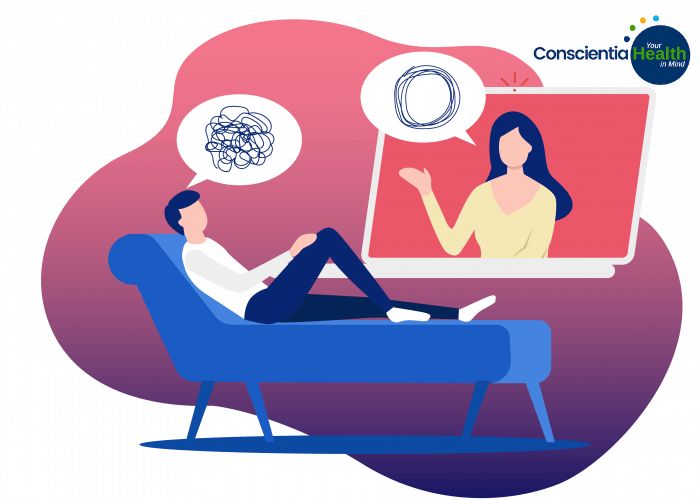
Telepsychiatry is the delivery of psychiatric assessment, treatment, and care through video conferencing. We offer Telepsychiatry services for individuals who cannot make it physically to our office. Whether you have a busy schedule, are unable to have time off work/school, parenting, or just can’t physically be at one of our offices – our safe-to-use and HIPAA-compliant Telepsychiatry system is right for you.

Research has proven that Telepsychiatry is just as effective as standard in-person care in the treatment of mental conditions. Contact us for your telepsychiatry needs.

Click on the video link to learn more.

 Are you constantly irritable, feeling sad, have little or no interest in doing things that used to make you happy? Do you have poor appetite, trouble concentrating, or trouble sleeping? Are you experiencing uncontrolled worrying or feel something awful might happen that is affecting your daily life? In today’s high-functioning world, early identification and […]

title

 Are you constantly irritable, feeling sad, have little or no interest in doing things that used to make you happy? Do you have poor appetite, trouble concentrating, or trouble sleeping? Are you experiencing uncontrolled worrying or feel something awful might happen that is affecting your daily life? In today’s high-functioning world, early identification and […]


 Are you constantly irritable, feeling sad, have little or no interest in doing things that used to make you happy? Do you have poor appetite, trouble concentrating, or trouble sleeping? Are you experiencing uncontrolled worrying or feel something awful might happen that is affecting your daily life? In today’s high-functioning world, early identification and […]

Telepsychiatry is the delivery of psychiatric assessment, treatment, and care through video conferencing. We offer Telepsychiatry services for individuals who cannot make it physically to our office. Whether you have a busy schedule, are unable to have time off work/school, parenting, or just can’t physically be at one of our offices – our safe-to-use and HIPAA-compliant Telepsychiatry system is right for you.

Research has proven that Telepsychiatry is just as effective as standard in-person care in the treatment of mental conditions.

Click on the video link to learn more.

Telepsychiatry is the delivery of psychiatric assessment, treatment, and care through video conferencing. We offer Telepsychiatry services for individuals who cannot make it physically to our office. Whether you have a busy schedule, are unable to have time off work/school, parenting, or just can’t physically be at one of our offices – our safe-to-use and […]

title

Telepsychiatry is the delivery of psychiatric assessment, treatment, and care through video conferencing. We offer Telepsychiatry services for individuals who cannot make it physically to our office. Whether you have a busy schedule, are unable to have time off work/school, parenting, or just can’t physically be at one of our offices – our safe-to-use and […]

Telepsychiatry

Telepsychiatry is the delivery of psychiatric assessment, treatment, and care through video conferencing. We offer Telepsychiatry services for individuals who cannot make it physically to our office. Whether you have a busy schedule, are unable to have time off work/school, parenting, or just can’t physically be at one of our offices – our safe-to-use and […]