

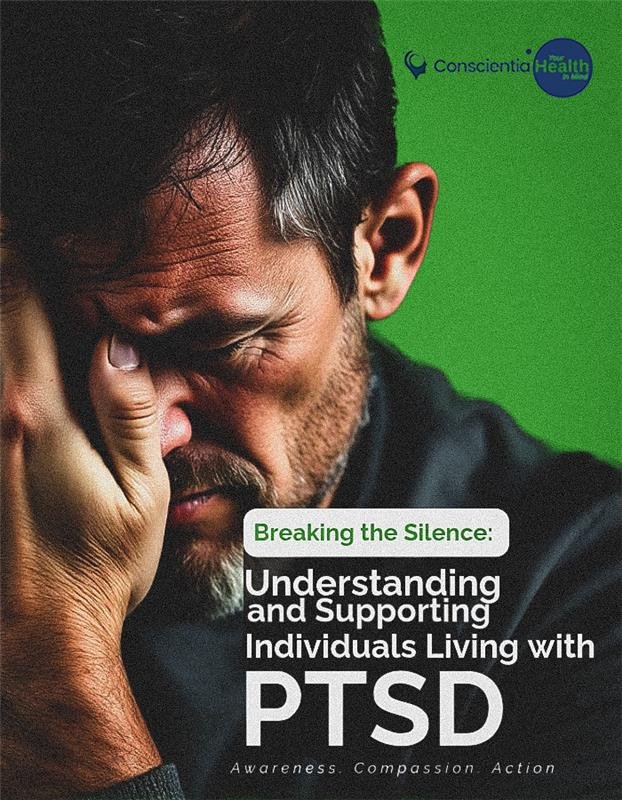
Breaking the Silence
Understanding and Supporting Individuals Living With PTSD and Depression
Schedule Your Consultation TodayBreaking the Silence: Understanding and Supporting Individuals Living With PTSD and Depression
Mental health challenges like PTSD and depression often remain hidden behind silence, stigma, and misunderstanding. Many people carry these experiences quietly, unsure of how to talk about what they’re feeling or where to turn for support. Breaking that silence is an essential step toward creating communities where individuals feel seen, understood, and supported.
At Conscientia Health, we believe that open, honest conversations about mental wellbeing help reduce shame, build empathy, and encourage people to seek the care they deserve. This article explores what PTSD and depression are, how they often overlap, and how we can better support those navigating these conditions.
Why Breaking the Silence Matters
Living with PTSD or depression can feel like carrying an invisible weight. Even though millions of people experience these conditions, stigma often keeps them from speaking openly or reaching out for help. Silence can deepen feelings of isolation, making symptoms harder to manage.
Creating space for honest conversations helps:
- Reduce shame and misunderstanding
- Encourage individuals to seek support
- Strengthen relationships and community awareness
- Promote early intervention and compassionate care
When we talk openly about mental health, we help build a culture where no one has to struggle alone.
What Is PTSD?
PostTraumatic Stress Disorder (PTSD) is a mental health condition that can develop after someone experiences or witnesses a traumatic event. These events may include:
- Natural disasters
- Serious accidents
- Physical or sexual assault
- Combat or violence
- Sudden loss of a loved one
While many people experience distress after trauma, PTSD involves symptoms that persist and interfere with daily life. These may include:
- Flashbacks or intrusive memories
- Nightmares
- Heightened anxiety or hypervigilance
- Avoidance of reminders of the event
- Emotional numbness or detachment
PTSD is not a sign of weakness. It is a human response to overwhelming experiences.
Understanding Depression: Symptoms and Impact
Depression is more than sadness or a difficult week. It is a complex mental health condition that affects mood, energy, and daily functioning. Symptoms may include:
- Persistent sadness or emptiness
- Loss of interest in activities once enjoyed
- Changes in sleep or appetite
- Difficulty concentrating
- Feelings of hopelessness or guilt
- Physical symptoms such as fatigue or unexplained aches
Depression can affect relationships, work, and overall quality of life. Understanding these symptoms helps reduce stigma and encourages compassionate, informed conversations.
Common Causes and Triggers
PTSD and depression can arise from different experiences, but both are shaped by a combination of personal history, environment, and life events.
PTSD may be triggered by:
- Traumatic events such as accidents, assault, or combat
- Natural disasters
- Sudden or unexpected loss
- Experiences that overwhelm a person’s ability to cope
Depression may be influenced by:
- Genetic or biological factors
- Chronic stress
- Major life changes such as divorce or job loss
- Prolonged illness
- Feelings of isolation or rejection
Both conditions can be worsened by reminders of past trauma, high stress situations, or events that tap into personal vulnerabilities. Recognizing these triggers helps loved ones respond with understanding and care.
How PTSD and Depression Often CoOccur
It’s common for PTSD and depression to appear together. Trauma can disrupt a person’s sense of safety, identity, and emotional balance, making them more vulnerable to depressive symptoms.
Someone may experience:
- Flashbacks and hypervigilance from PTSD
- Alongside sadness, hopelessness, or withdrawal from depression
This combination can feel overwhelming, but with the right support, individuals can learn to navigate both conditions and move toward healing.
Recognizing the Signs in Loved Ones
PTSD and depression don’t always look the same from person to person. Some signs may be subtle, while others are more visible. You may notice:
- Withdrawal from friends or activities
- Irritability or sudden mood changes
- Difficulty sleeping or frequent nightmares
- Avoidance of certain places or conversations
- Loss of interest in hobbies
- Increased anxiety or restlessness
Awareness helps families and communities respond with empathy rather than judgment.
The Impact of Stigma
Despite growing awareness, the stigma surrounding mental health issues like PTSD and depression remains a significant barrier to seeking help and support. Many individuals struggle silently, fearing judgment, discrimination, or misunderstanding from friends, family, and even healthcare providers. This stigma can lead to feelings of shame and isolation, exacerbating symptoms and delaying recovery. It’s important to recognize that mental health conditions are medical issues, not personal weaknesses or character flaws.
Effective Communication Strategies for Support
Effective communication plays a crucial role in supporting individuals living with PTSD and depression. When reaching out, it’s important to approach conversations with empathy, patience, and a non-judgmental attitude. Start by creating a safe and comfortable space where the person feels heard and validated without fear of criticism or dismissal.
Professional Treatment Options: Therapy and Medication
When it comes to managing PTSD and depression, professional treatment plays a crucial role in helping individuals regain control over their lives. Therapy and medication are two of the most effective approaches, often used in combination to provide comprehensive care.
Therapy offers a safe and supportive environment where individuals can explore their experiences, understand their emotions, and develop coping strategies. Cognitive Behavioral Therapy (CBT) is one of the most widely recommended treatments for both PTSD and depression.
The Role of Family and Friends in Recovery
The journey toward recovery from PTSD and depression can be challenging and complex, but the support of family and friends plays a crucial role in helping individuals heal and regain stability. Loved ones often serve as the primary source of emotional comfort, providing a safe space where those struggling feel understood and accepted without judgment. This support can significantly reduce feelings of isolation and hopelessness that frequently accompany these conditions.
Self-Care Tips for Individuals with PTSD and Depression
Taking care of yourself is a vital part of managing PTSD and depression. While professional support is essential, incorporating self-care practices into your daily routine can help improve your overall well-being and provide a sense of control during challenging times. Simple activities such as maintaining a regular sleep schedule, engaging in gentle physical exercise like walking or yoga, and practicing mindfulness or meditation can significantly reduce symptoms of anxiety and mood fluctuations. It’s equally important to nourish your body with balanced meals and stay hydrated, as physical health directly impacts mental health. Remember, self-care also means setting boundaries — allow yourself to say no to activities or people that drain your energy. Most importantly, be compassionate with yourself; healing is a gradual process, and acknowledging small victories along the way fosters resilience and hope.
Building a Supportive Community
Creating a supportive community is a vital step in helping individuals living with PTSD and depression feel understood, valued, and less isolated. When people know they are not alone in their struggles, it fosters a sense of belonging and hope, which can be incredibly healing. A supportive community offers a safe space where individuals can share their experiences without fear of judgment, exchange coping strategies, and receive encouragement during challenging times.
Resources and Helplines for Immediate Help
When someone is struggling with PTSD or depression, knowing where to turn for immediate support can make a critical difference. There are numerous resources and helplines available that offer confidential assistance, guidance, and crisis intervention 24/7.
National helplines such as the Suicide Prevention Lifeline (1-800-273-TALK) and the Crisis Text Line (text HOME to 741741) connect individuals with trained counselors who understand the complexities of trauma and mental health challenges. Many countries also have specialized PTSD support organizations that offer both telephone support and online chat services tailored specifically to those affected by trauma.
Success Stories: Overcoming PTSD and Depression
Hearing stories of resilience and recovery can be incredibly inspiring for individuals struggling with PTSD and depression. Success stories highlight the strength and determination of those who have faced these challenges head-on and found a path toward healing and hope. For many, overcoming PTSD and depression is not about a quick fix but a journey involving therapy, support networks, lifestyle changes, and sometimes medication.
These stories often emphasize the importance of seeking help, whether through professional counseling, support groups, or trusted friends and family. They also showcase various coping strategies, such as mindfulness, creative expression, and physical activity, that have helped individuals regain control over their lives. By sharing these personal triumphs, we not only celebrate progress but also break the stigma surrounding mental health, encouraging others to take the courageous first step toward recovery. Remember, healing is possible, and you are not alone on this journey.
Conclusion: Encouraging Open Conversations and Ongoing Support
In conclusion, breaking the silence surrounding PTSD and depression is a vital step toward fostering a more compassionate and understanding society. Encouraging open conversations allows individuals to feel seen, heard, and valued, helping to dismantle the stigma that often isolates those struggling with these conditions.
It’s important to remember that recovery and management are ongoing journeys, requiring patience, empathy, and consistent support from friends, family, and communities. By promoting awareness and offering resources, we can create safe spaces where individuals feel empowered to share their experiences and seek help without fear or judgment.
Together, through open dialogue and unwavering support, we can make a profound difference in the lives of those affected by PTSD and depression, ensuring they never have to face their challenges alone.
Encouraging Open Conversations and Ongoing Support
You don’t have to navigate PTSD or depression alone. Compassionate, professional support is available.
Schedule Your Consultation Today
